
When sleep won't come.
Stanford's Dr. David Spiegel has spent 50 years researching how the mind controls sleep.
In a single session, 90% of Reveri users felt more rested. No drugs. No side effects.
Grounded in 50+ years of research and clinical experience by Stanford's Dr. David Spiegel.

Clinically backed
83% of our members felt increased control over their unwanted habits after one session.

Immediately effective
Guided by Dr. Spiegel

His voice leads every session - interactive, responsive, personal.
As seen in




When poor sleep becomes a way of life.
You've probably tried things that helped a little. Or worked for a week, then stopped. Poor sleep isn't just tiredness - it affects everything. Reveri works differently: instead of sedating the body, Dr. Spiegel guides your mind into a state where sleep becomes natural again.

Sleep better now

Sleep better over time
90% of users felt more rested after just one session.
Grounded in 50+ years of research by Stanford's Dr. David Spiegel.
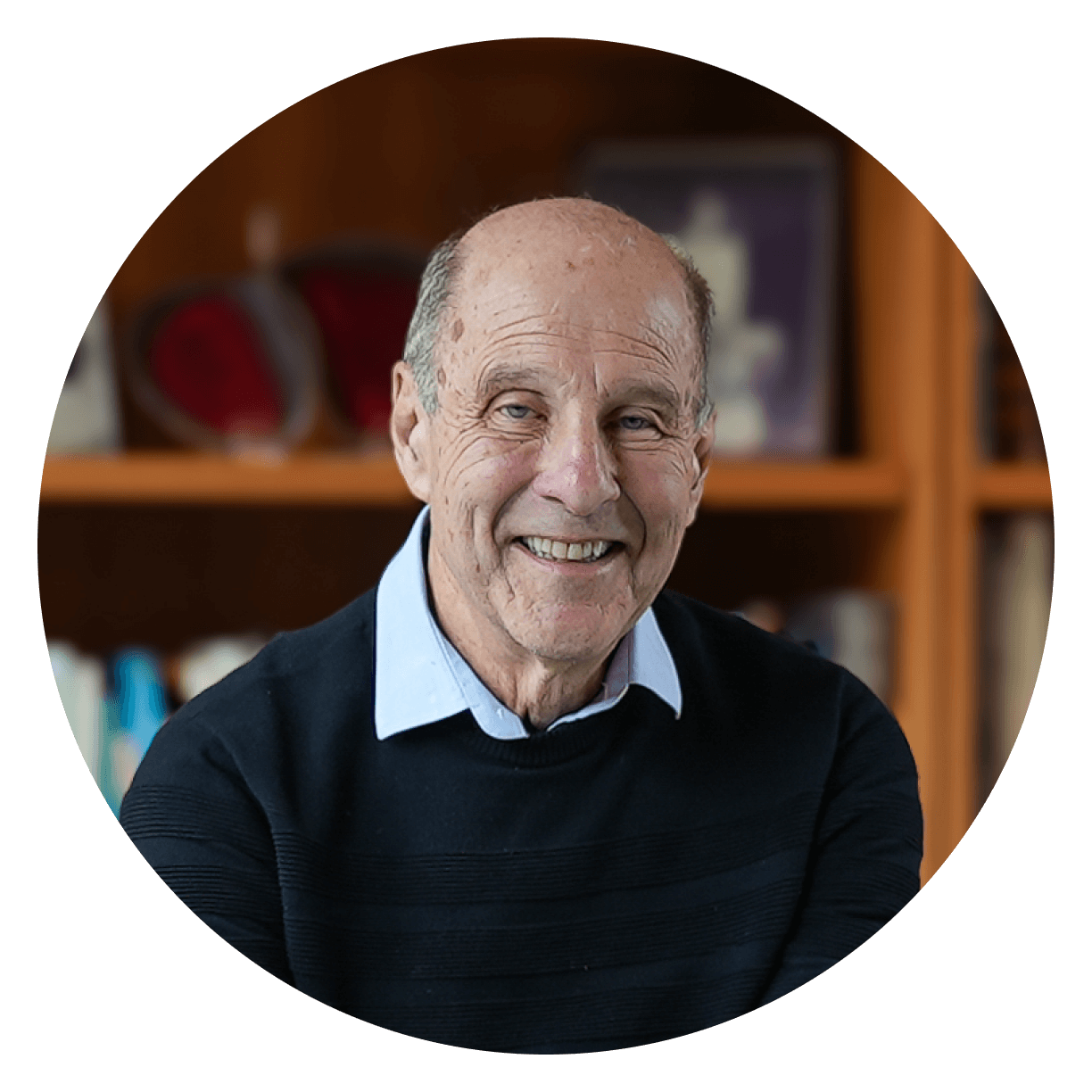
David Spiegel, M.D.
Associate Chair of Psychiatry


4.6/5 (5,000+ reviews)
Real people. Real relief.
How Reveri helps with sleep.
Most sleep treatments work by sedating the body - they force sleep rather than enabling it. Reveri works differently. Dr. Spiegel guides you into a state of highly focused attention, and in that state, your mind can directly shift how it approaches sleep. Studies show hypnosis improves sleep outcomes in over 58% of research studies, increases deep sleep, and reduces insomnia-related distress. In Reveri's own user data, 90% of users felt more rested after their first session. No drugs. No side effects. Safe for nightly use.


You've tried other things. Try this.
10 minutes. No drugs. No side effects. 7-day free trial. Most people know after the first session whether it works for them.
Self-hypnosis app for sleep improvement: Hypnotherapy for insomnia
Reveri is a clinically backed sleep app rooted in 45+ years of clinical research, pioneered by Dr. David Spiegel. With every session personalized to you, you can experience custom hypnotherapy sessions on your own time to unlock insomnia relief and more restful sleep. Patients can benefit from the flexibility of having a toolkit in their back pocket at all times. The approach of hypnosis for sleep therapy helps you shift mental perspectives in a state of highly focused attention. As you break through deeply rooted habits or ways of thinking, you can unlock a whole new sense of freedom, thus being reunited with restful sleep. Many individuals also turn to hypnosis for anxiety as an effective way to calm the mind and promote better sleep.
FAQ
-
Yes, that's exactly how self-hypnosis works, and it's how Reveri is designed to be used. Dr. Spiegel's voice guides you into a state of highly focused attention, and from that state your mind can settle in a way it couldn't on its own. 90% of Reveri users felt more rested after their first sleep session. Safe to use nightly, no drugs, no side effects.
-
Self-hypnosis won't cure insomnia, but it's one of the most effective tools available for improving sleep, and the research is consistent. A 2018 literature review found that over 58% of studies showed hypnosis benefits sleep outcomes, with no adverse events recorded across 231 participants. In Reveri's data, 90% of users felt more rested after their first session.
-
Self-hypnosis is the most practical option for ongoing sleep support, because you can use it whenever you need it, in your own bed. Reveri's sleep sessions are designed by Stanford's Dr. David Spiegel and based on 50+ years of clinical research. Each session is approximately 10 minutes, interactive, and adapts to where you are.
-
Yes. Research consistently shows hypnosis improves sleep outcomes, including sleep quality, time to fall asleep, and the ability to return to sleep after waking. In Reveri's data, 90% of users felt more rested after one 10-minute session. Dr. Spiegel guides you into a state of highly focused attention where the mind can settle in a way it cannot on its own.
-
Self-hypnosis works by guiding the mind into a state of highly focused attention. In that state, the racing thoughts settle, and the brain becomes more responsive to suggestion, including suggestions that help you fall and stay asleep. With Reveri, Dr. Spiegel's voice guides each session, so you don't have to figure out the technique yourself.
-
Very. A 2018 review found over 58% of studies showed hypnosis benefits sleep outcomes, with no adverse events recorded across hundreds of participants. Reveri users report 90% felt more rested after their first session. Unlike sleep medications, self-hypnosis has no drugs, no dependency risk, and is safe for daily use.
Research: The role of hypnotherapy in sleep improvement
The word “hypnosis” is historically derived from the Greek word for sleep (‘hypnos’). It became popular in the 1800s because participating in hypnosis sessions could appear similar to sleeping (e.g., eyes closed, reduced responsiveness to external stimulation, changes in breathing and heartbeat rates). Thanks to the scientific study of hypnosis, and the development of psychological measurements and neuroimaging, we now know that hypnosis is very different from sleep.
-
Hypnosis is a psychological tool that helps us bring our brains into optimal states for change-making. To learn more about how hypnosis is physiologically unique, read our article about what happens in the brain during hypnosis.
Sleep is a natural, cyclical (recurring) state of relative inactivity associated with alteration in consciousness and reduced responsiveness to sensory information. The amount of physiologically needed sleep differs between people based on age, sex, genetics, and health needs. The National Sleep Foundation recommends anywhere between 7-9 hours for adults and 7-8 for older adults [1]. This does not mean that we should all get 8 hours, but that the typical sleep duration required for healthy physiological and psychological sleep-related benefits lies within those ranges. Unfortunately, it is quite common to experience sleep difficulties; up to 80 % of U.S. adults reported struggling with sleep at least one night per week [2], more than 35% report sleeping less than 7 hours per night on average[ 3], and 40% report feeling sleepy to the point of interference with their daily activities [4].
Can hypnosis help?
A literature review from 2018 [5] reported that over 58% of the studies they included found that hypnosis benefits sleep outcomes. The authors concluded that hypnosis is a promising treatment for sleep problems. Hypnosis was also deemed a very safe approach, as two studies that monitored both positive and negative outcomes found no adverse events in all 231 participants.
Further research that followed the 2018 review found that hypnosis can significantly improve sleep quality in postmenopausal women [6], reduce sleep difficulties, fatigue, and emotional distress in cancer survivors [7], and increase deep sleep [8]. Hypnosis treatments for sleep have also been demonstrated to reduce symptoms of different parasomnias (sleep disorders characterized by unusual behaviors or perceptions around and during sleep) [9] and improve cognition in older adults [10].
Why is hypnosis a better alternative?
About 1 in 12 adults take medication to help them sleep [11]. Side effects such as feeling groggy, oversleeping, or concentration difficulties are reported by about 80% of people taking prescription sleep medicine [12]. Over 50% of Americans have taken supplements or other substances to assist with sleep. Although supplements for sleep have become common in recent years, they are often unregulated and can have problematic side effects. For example, a recent study tested 31 over the counter (non-prescription) melatonin supplements and found that actual doses were outside 10% of their listed dosages in more than 70% of products, and 1 in 4 products contained serotonin (a neurotransmitter that impacts mood, cognition, memory, and many other physiological processes) [13].
Hypnosis has been shown to be beneficial for reducing sleep-related symptoms but, perhaps more importantly, did it in a safer manner than psychoactive substances. Although Dr. Spiegel’s team mentioned this in a previous article, we at Reveri are acting on the basis of the statement we made in The American Journal of Medicine [14] about the superiority of hypnosis: “if hypnosis were a drug, it would be standard of care,” and should be used “particularly when it outperforms the current standard of care by safety and efficacy, as in the case of opioids and sedatives.”
Bottom Line
Hypnosis offers an effective way to reduce sleep symptoms; it is safer than sleep medication and has been shown to significantly improve sleep quality, reduce sleep difficulties, fatigue, and insomnia-related emotional distress, and increase deep sleep. Hypnosis is not sleep, but you can indeed sleep on it.
References
Hirshkowitz, M. et al. National Sleep Foundation’s updated sleep duration recommendations: final report. Sleep Health 1, 233–243 (2015).
Does Melatonin Really Help You Sleep? Consumer Reports https://www.consumerreports.org/vitamins-supplements/does-melatonin-really-help-you-sleep-a1201789174/.
CDC - Data and Statistics - Sleep and Sleep Disorders. https://www.cdc.gov/sleep/data_statistics.html (2021).
National Sleep Foundation. Sleep in America® Poll 2020. 1–6 http://www.thensf.org/wp-content/uploads/2020/03/SIA-2020-Report.pdf (2020).
Chamine, I., Atchley, R. & Oken, B. S. Hypnosis Intervention Effects on Sleep Outcomes: A Systematic Review. J. Clin. Sleep Med. JCSM Off. Publ. Am. Acad. Sleep Med. 14, 271–283 (2018).
Elkins, G. et al. Hypnosis Intervention for Sleep Disturbance: Determination of Optimal Dose and Method of Delivery for Postmenopausal Women. Int. J. Clin. Exp. Hypn. 69, 323–345 (2021).
Grégoire, C. et al. Randomized, Controlled Trial of an Intervention Combining Self-Care and Self-Hypnosis on Fatigue, Sleep, and Emotional Distress in Posttreatment Cancer Patients: 1-Year Follow-Up. Int. J. Clin. Exp. Hypn. 70, 136–155 (2022).
Cordi, M. J., Rossier, L. & Rasch, B. Hypnotic Suggestions Given Before Nighttime Sleep Extend Slow-Wave Sleep as Compared to a Control Text in Highly Hypnotizable Subjects. Int. J. Clin. Exp. Hypn. 68, 105–129 (2020).
Hauri, P. J., Silber, M. H. & Boeve, B. F. The Treatment of Parasomnias with Hypnosis: a 5-Year Follow-Up Study. J. Clin. Sleep Med. 03, 369–373 (2007).
Cordi, M. J., Hirsiger, S., Mérillat, S. & Rasch, B. Improving sleep and cognition by hypnotic suggestion in the elderly. Neuropsychologia 69, 176–182 (2015).
CDC. Percentage of Adults Aged ≥18 Years Who Took Medication To Help Fall or Stay Asleep Four or More Times in the Past Week, by Sex and Age Group — National Health Interview Survey, United States, 2017–2018. https://www.cdc.gov/mmwr/volumes/68/wr/mm6849a5.htm (2019).
Fitzgerald, T. & Vietri, J. Residual Effects of Sleep Medications Are Commonly Reported and Associated with Impaired Patient-Reported Outcomes among Insomnia Patients in the United States. Sleep Disord. 2015, 607148 (2015).
Erland, L. A. E. & Saxena, P. K. Melatonin Natural Health Products and Supplements: Presence of Serotonin and Significant Variability of Melatonin Content. J. Clin. Sleep Med. JCSM Off. Publ. Am. Acad. Sleep Med. 13, 275–281 (2017).
Kittle, J. & Spiegel, D. Hypnosis: The Most Effective Treatment You Have Yet to Prescribe. Am. J. Med. 134, 304–305 (2021).
About the author:
Afik Faerman, Ph.D. is a postdoctoral scholar at Stanford University. He completed his doctoral training in clinical psychology with an emphasis in neuropsychology, and his clinical training at the University of California, San Francisco (UCSF) and Baylor College of Medicine in Houston, TX. Afik’s research centers on identifying key neurocognitive mechanisms in clinical change, focusing on hypnosis, pain, and sleep. His research was supported and acknowledged by the American Psychological Association, the Society for Clinical and Experimental Hypnosis, and the American Society for Clinical Hypnosis.
Related Blog Posts